
Salsa tonnata might just be the best Italian sauce you've never made. This Piedmontese classic— a creamy, tangy, deeply savory sauce traditionally spooned over vitello tonnato (cold veal slices). Tuna, anchovies, capers, mayo, and lemon come together in your blender to create pure umami magic.
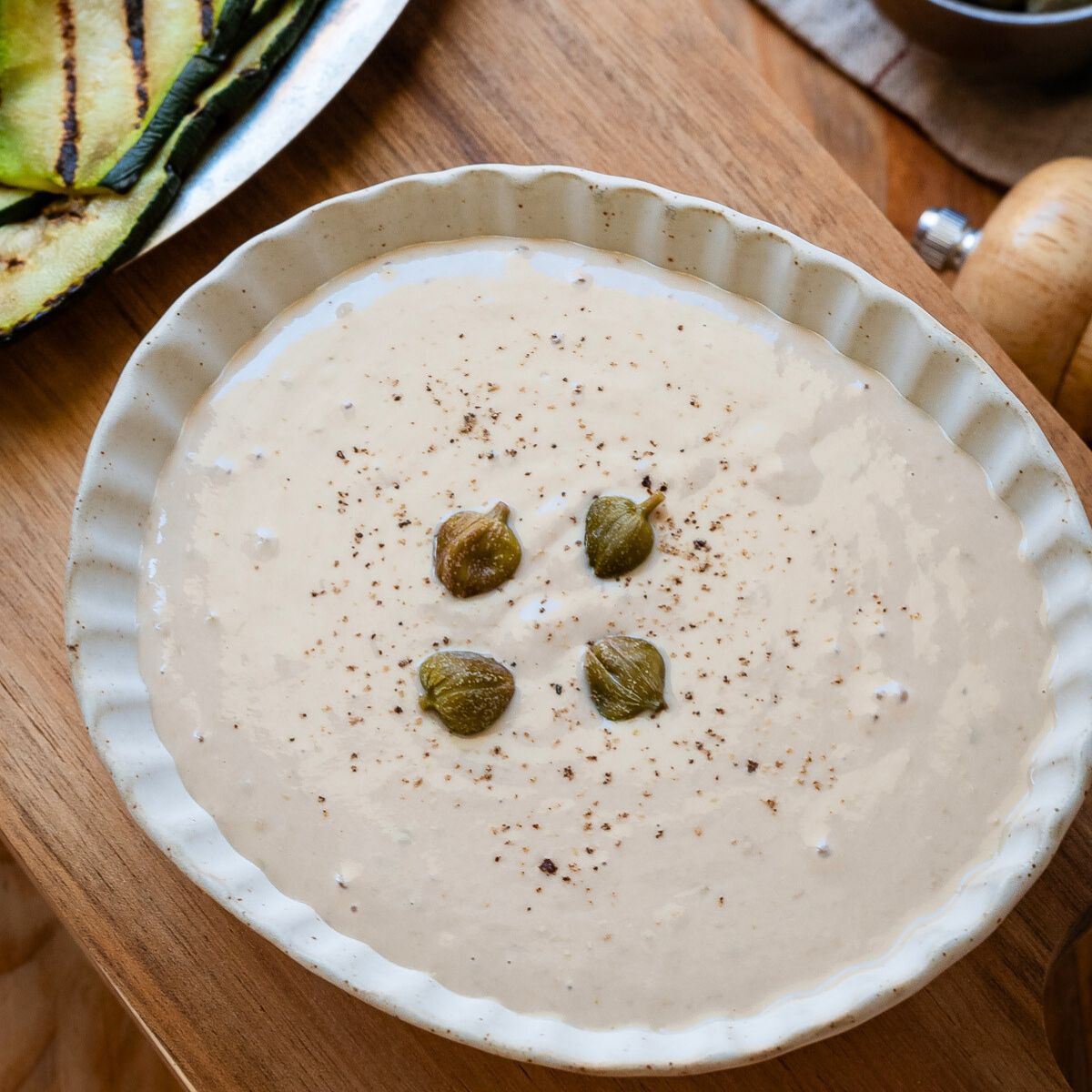
The real beauty? It takes five minutes to make and transforms everything it touches. Dip vegetables in it, toss it with hard-boiled eggs, spread it on sandwiches, or do what I do—spoon it straight onto yesterday's roasted chicken and call it dinner. One batch keeps for a week in the fridge, though mine never lasts that long.
Trust me, once you try this, you'll wonder how you lived without it.
Table Of Contents
What Is Salsa Tonnata?
Salsa tonnata, which literally translates to "tuna sauce" in Italian, is a cold, creamy sauce that originated in the Piedmont region of Northern Italy. It's most famously known as the sauce component of vitello tonnato, a traditional dish of thinly sliced cold veal covered in this luscious tuna-based sauce.
Born from Italian cucina povera, salsa tonnata turns pantry staples into gold. Canned tuna, anchovies, and capers were pantry staples that could be transformed into something elegant and flavorful. Despite its humble origins, salsa tonnata has become a staple of Italian cuisine, particularly during the summer months when cold dishes are preferred.
While the classic preparation calls for specific proportions, every Italian family has their own version. Some prefer it thicker, almost like a spread, while others thin it out to use as a drizzling sauce. My Roman friend adds hard-boiled egg yolk for richness, while purists stick to the basics.
The sauce has also evolved beyond its traditional pairing with veal. It can elevate everything from vegetables to pasta, making it a true workhorse in the Italian kitchen.
Salsa Tonnata: What's So Special?
- Ready in minutes. With just five minutes of active time, you can have a sophisticated sauce that tastes like it took hours to prepare. Perfect for busy weeknights or last-minute entertaining.
- Incredibly versatile. Unlike many sauces that are tied to specific dishes, salsa tonnata works beautifully with vegetables, meats, pasta, and even as a dip. One sauce, endless possibilities.
- Pantry-friendly ingredients. Made entirely from shelf-stable ingredients you likely already have on hand. No special shopping trip required.
- Make-ahead friendly. The sauce actually improves after a day in the refrigerator as the flavors meld together. Make it on Sunday and use it throughout the week.
- Impressive yet simple. Serve this at a dinner party and your guests will think you're a culinary genius, yet it requires no cooking skills beyond operating a blender.
- Naturally gluten-free. This sauce fits seamlessly into various dietary preferences without any modifications.
Ingredients
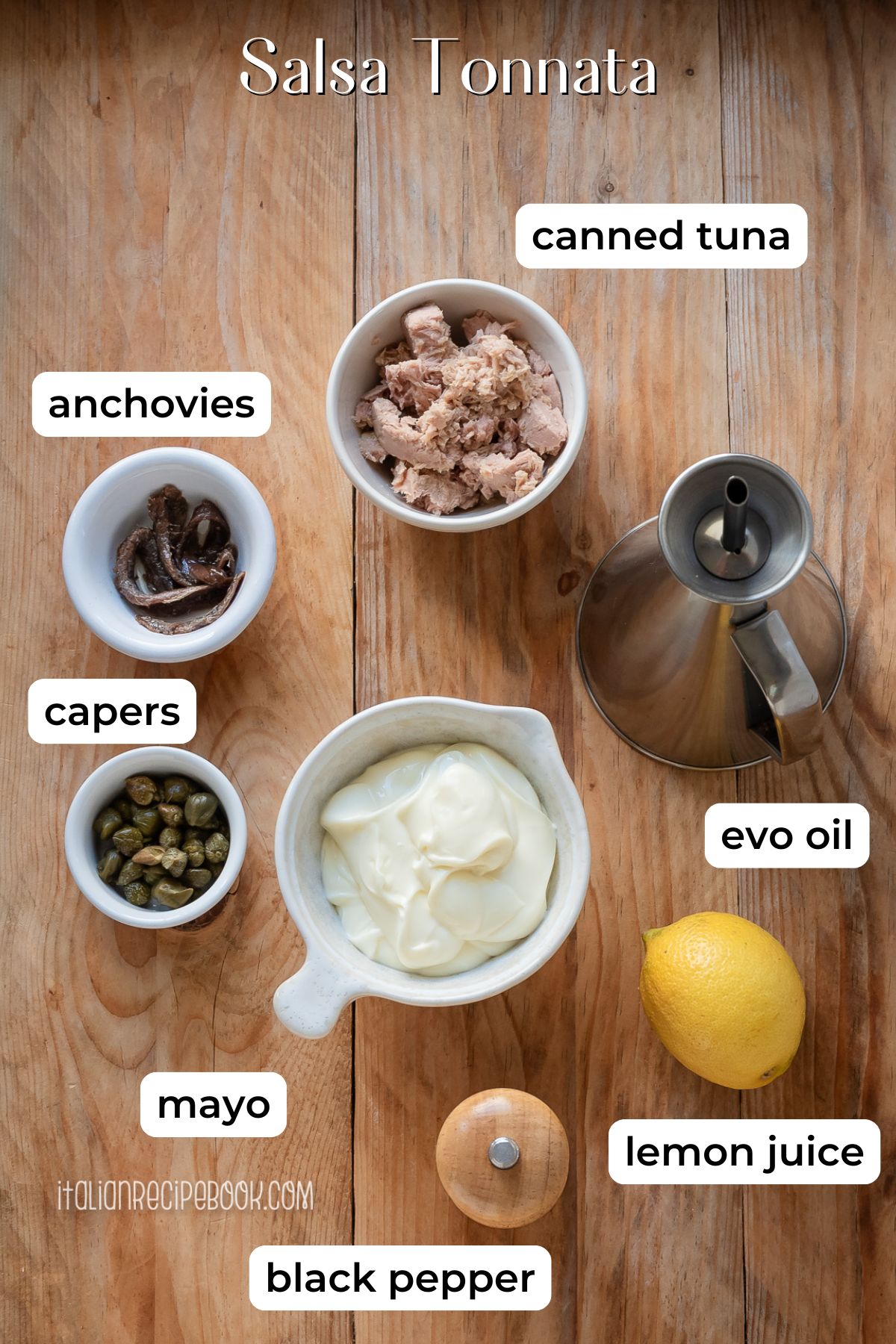
- Tuna - Use good quality tuna packed in olive oil for the best flavor. Italian or Spanish tuna tends to have a better texture and taste than standard grocery store varieties. You can also use tuna packed in water, but drain it very well and the sauce will be slightly less rich.
- Mayo - This provides the creamy base and smooth texture. Use a good quality mayonnaise—homemade is ideal if you have it, but a high-quality store-bought version works perfectly. The mayonnaise should be at room temperature for easier blending.
- Capers - These briny little buds add a distinctive tangy, salty flavor that's essential to the sauce's character. Use capers packed in brine (drain them well) or salt-packed capers (rinse them thoroughly).
- Anchovy fillets - Don't skip these! Even if you think you don't like anchovies, they dissolve completely into the sauce and provide essential depth and umami rather than a "fishy" taste.
- Lemon juice - Freshly squeezed is always best. The acidity brightens the rich sauce and balances the savory elements. Start with 1 teaspoon and adjust to taste—you may want more depending on your preference.
- Black pepper - Freshly ground black pepper adds a subtle heat and complexity. White pepper can be used if you prefer a milder flavor.
Mayonnaise vs. the Traditional Egg-Yolk Version
If you've looked up salsa tonnata before, you've probably noticed something: some recipes call for mayonnaise and others insist the "real" version doesn't use it at all. Both camps are right, and which one is "authentic" simply depends on how far back you go.
The mayonnaise version
This is the version most Italian families make at home today, and it's the one in this recipe. Mayonnaise gives you a reliably creamy, stable sauce in minutes—no emulsifying, no risk of it splitting. It's far from a modern shortcut, too: home cooks have been making salsa tonnata this way for the better part of a century, often starting from homemade mayonnaise. If you want creamy, foolproof, and fast, this is your version.
The traditional egg-yolk version (no mayo)
The older Piedmontese sauce—the one you'll find in cooking from the era of Pellegrino Artusi's classic 1891 cookbook—skips the mayonnaise entirely. Instead, hard-boiled egg yolks are blended with extra virgin olive oil to bind the tuna, anchovies, and capers into a rich, silky sauce, sometimes loosened with a little of the veal cooking broth. It tastes a touch lighter and more savory than the mayo version, and it's what purists mean when they talk about "authentic" salsa tonnata.
To make it, follow the recipe below but leave out the mayonnaise. Blend the tuna, anchovies, capers, and lemon with 2–3 hard-boiled egg yolks, then drizzle in ¼ to ⅓ cup of good extra virgin olive oil while the blender runs, until the sauce is smooth and creamy. Thin with a spoonful of water if it gets too thick.
Which should you make? For an everyday sauce that comes together in five minutes, go with the mayonnaise version. If you're serving a proper vitello tonnato for a special occasion—or you just want the old-school flavor—the egg-yolk version is worth the extra few minutes.
How To Make Salsa Tonnata - Step By Step
See the recipe card for full information on ingredients and quantities.
Prep ingredients. Drain tuna, capers, and anchovies thoroughly. Bring refrigerated mayonnaise to room temperature for easier blending. Squeeze fresh lemon juice.
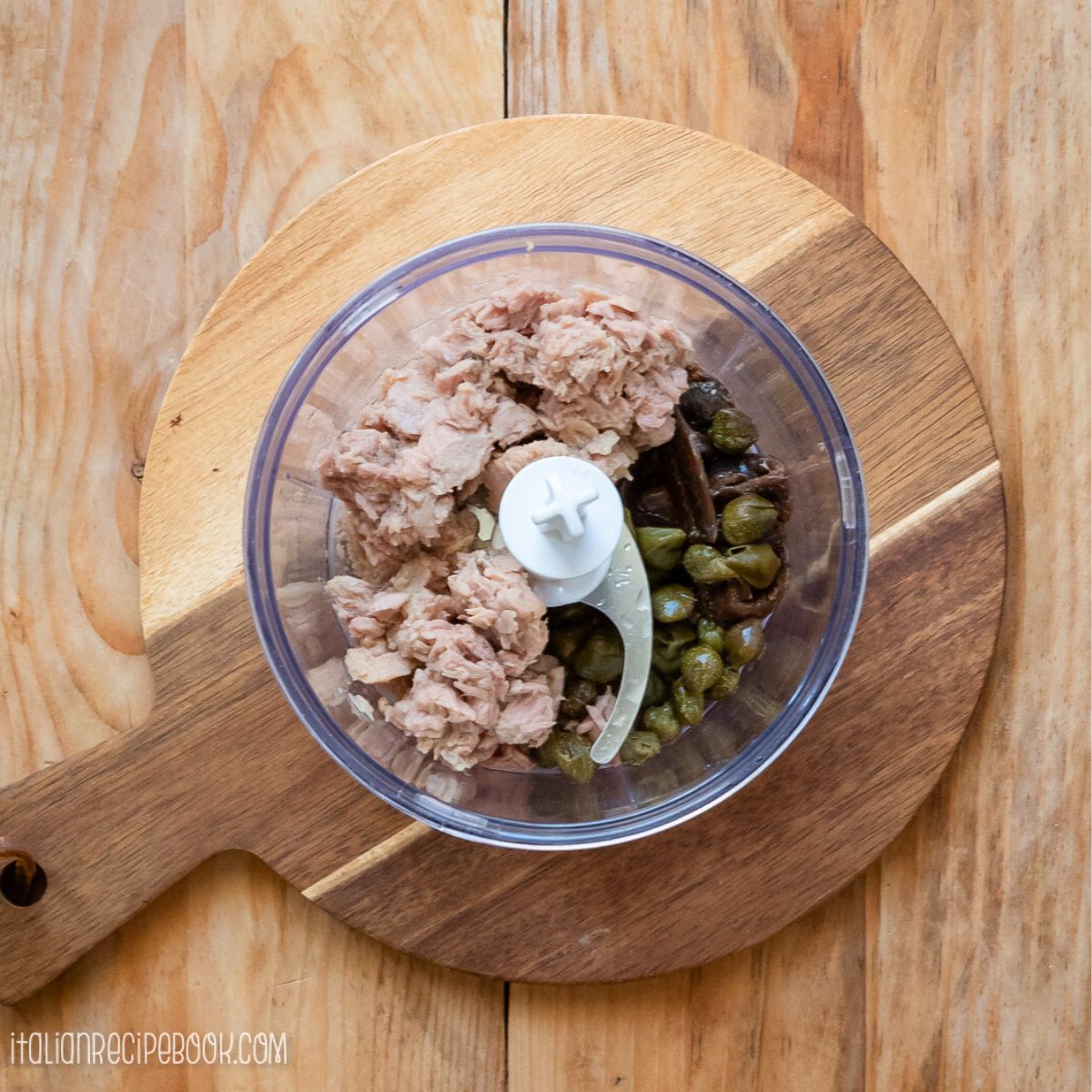
- For standard blenders: First blend tuna, anchovies, capers, lemon juice, and pepper until smooth.
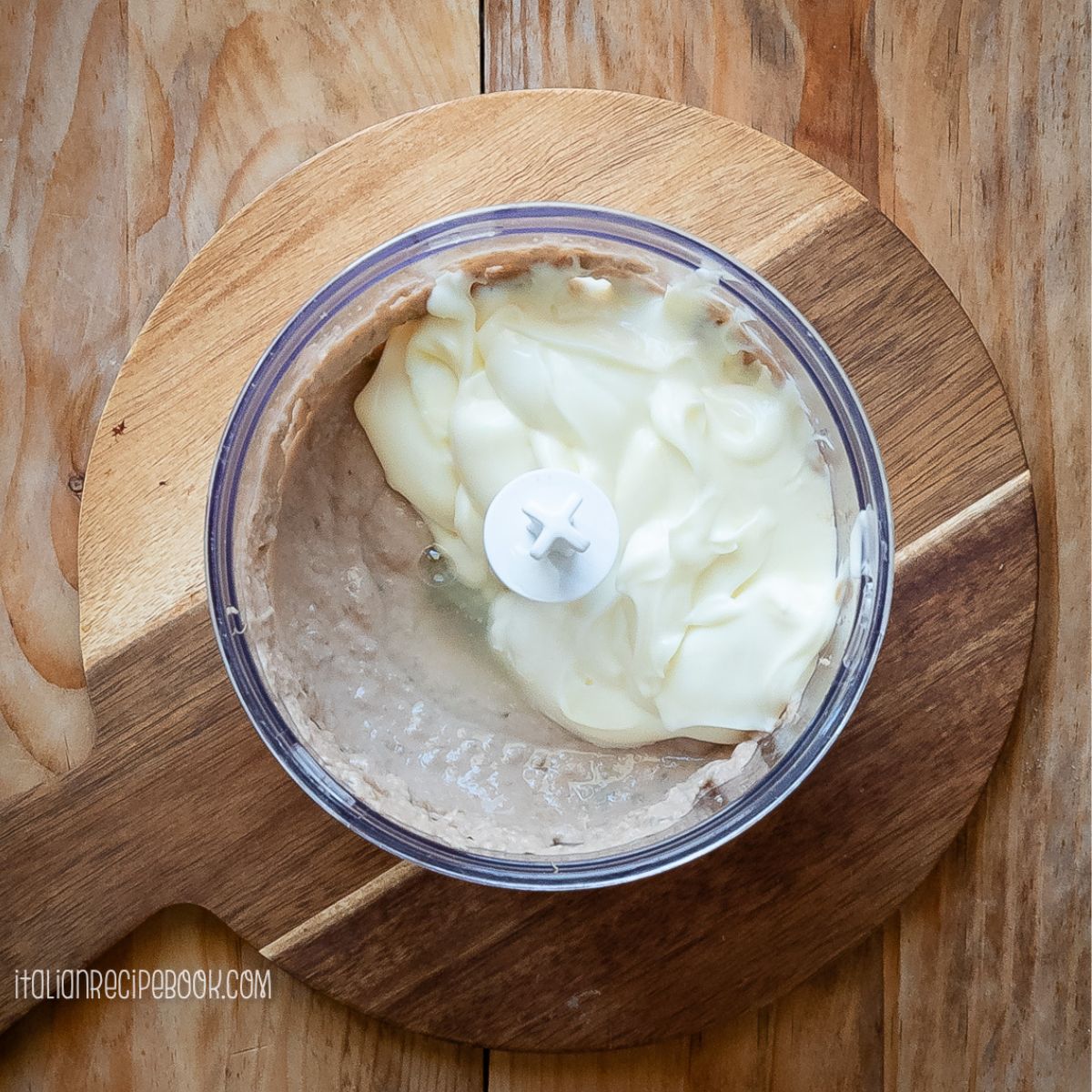
- Add mayonnaise and pulse briefly until just combined.
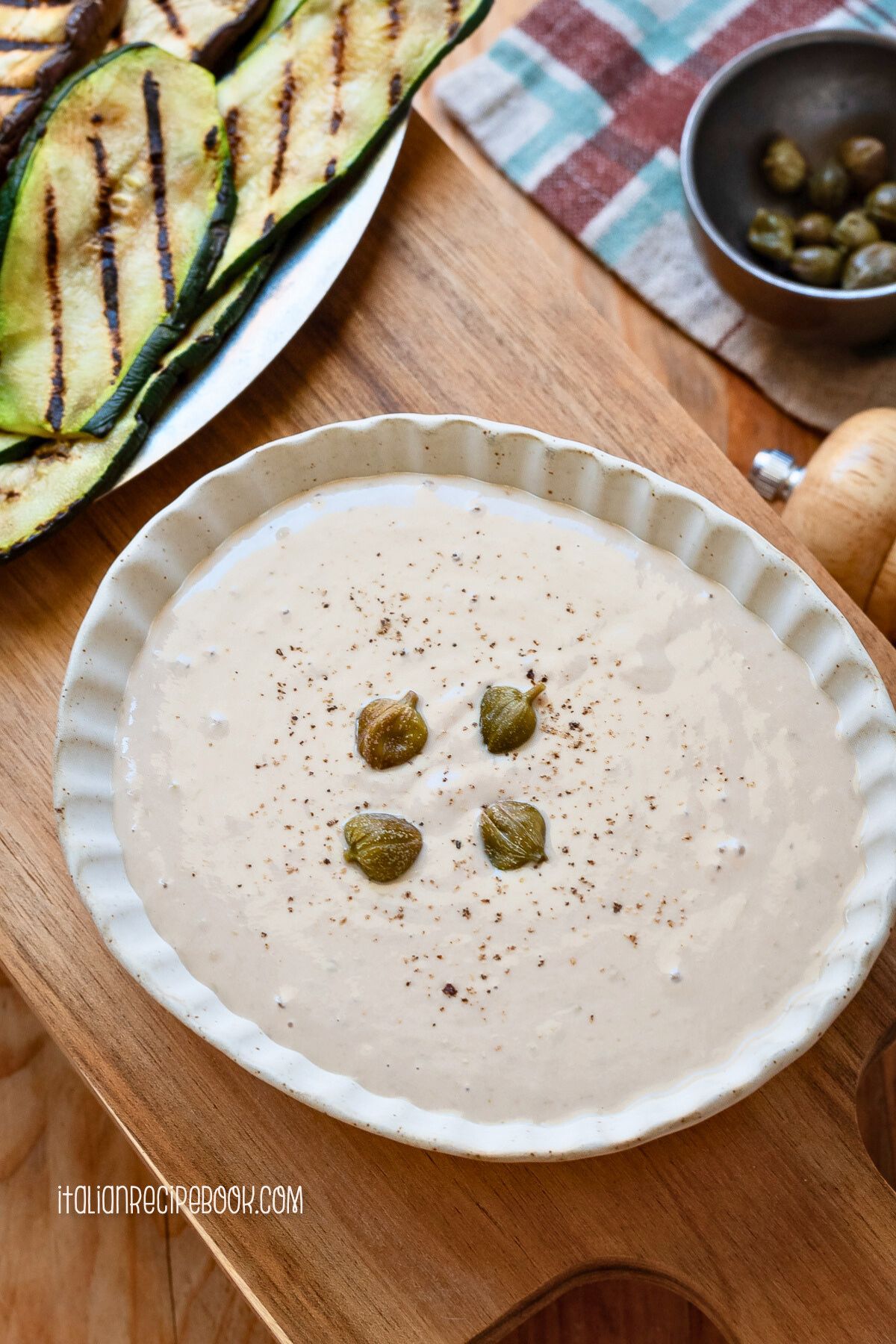
Using a powerful blender? Add all ingredients together and blend in short bursts for 20–30 seconds until smooth.
Top Tips - Don't Miss!
- Tuna quality matters. While you don't need to buy the most expensive tuna, choosing a decent quality product makes a noticeable difference. Look for tuna that's solid rather than flaky, and packed in olive oil rather than vegetable oil.
- Blender power and technique. If your blender isn't very powerful, use the two-step method: blend all ingredients except the mayonnaise first until you have a smooth paste, then add the mayonnaise and pulse just until combined. This prevents the sauce from becoming too warm (which can cause it to separate) and ensures a silky texture. If you have a high-powered blender, you can add everything at once and blend in short bursts.
- Consistency control. The sauce should be thick enough to coat the back of a spoon but still pourable. If it's too thick, thin it with a tablespoon of water, lemon juice, or the oil from the tuna can. If it's too thin (which is rare), blend in a bit more tuna or a hard-boiled egg yolk.
- Salt considerations. Be very careful about adding salt. The tuna, anchovies, capers, and mayonnaise all contain salt, so the sauce rarely needs additional seasoning. Always taste first, and if you do add salt, do so sparingly—a tiny pinch at a time.
How To Serve Salsa Tonnata
- The classic: vitello tonnato. Spoon it generously over thin slices of cold poached veal, then chill before serving. This is the dish salsa tonnata was born for, and it's still the most elegant way to serve it. (Link to your Vitello Tonnato recipe here.)
- Over other cold meats. Don't have veal? The sauce is just as good over cold roast chicken, turkey, or pork loin. Sliced thin and blanketed in sauce, leftover roast chicken becomes a whole new dinner.
- With hard-boiled eggs (uova tonnate). Halve hard-boiled eggs and top them with a spoonful of sauce, or fold chopped eggs right into it. It's a classic Italian antipasto that takes two minutes to put together.
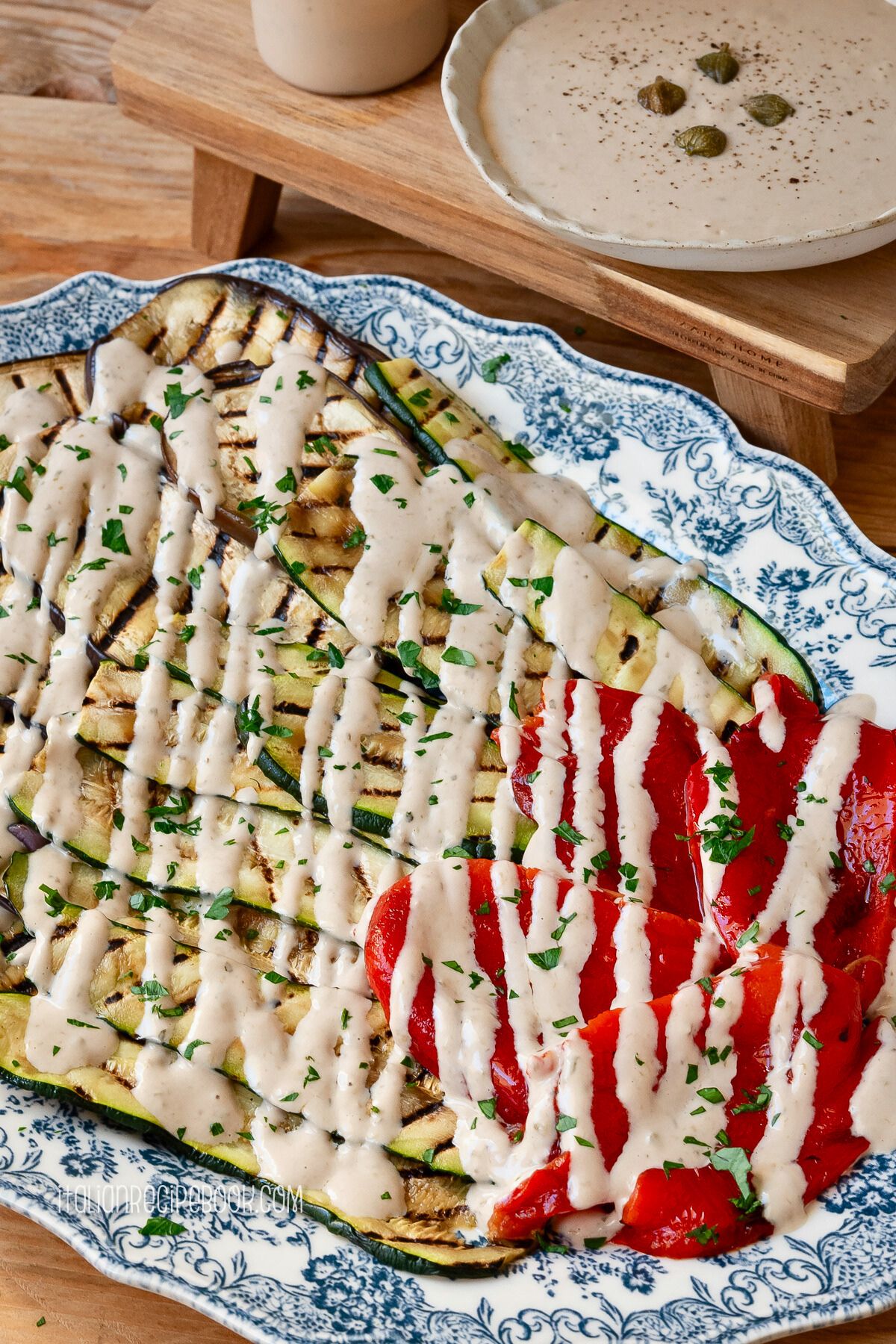
- As a dip for vegetables. Keep the sauce on the thicker side and serve it with crudités—fennel, celery, radishes, carrots—or spoon it over warm roasted or steamed vegetables. It's especially good with asparagus and green beans.
- In sandwiches and tramezzini. Use it in place of plain mayonnaise in any sandwich, or make Venetian-style tramezzini: soft white bread, the sauce, and a few capers or slices of egg. (Link to a sandwich or aperitivo recipe here.)
- Tossed with cold pasta or potatoes. Thin the sauce slightly and toss it through cooled pasta or boiled potatoes for an easy summer salad. A couple of tablespoons is all you need to coat a bowlful.
- On crostini for aperitivo. Spread it on toasted bread and top with a caper or a curl of lemon zest for a five-minute appetizer that always disappears first. (Link to your crostini or aperitivo content here.)
However you use it, bring the sauce to room temperature first and give it a quick stir—it firms up in the fridge and loosens back into that silky, spoonable texture as it warms.
How To Store
Store salsa tonnata in an airtight container in the refrigerator for up to 5 days. Press plastic wrap directly onto the surface of the sauce to prevent oxidation and discoloration. The sauce may thicken in the fridge; simply bring it to room temperature or serve cold.
Salsa Tonnata FAQ
Both versions are authentic. The older, traditional Piedmontese sauce is bound with hard-boiled egg yolks and olive oil, while the common modern home version—the one in this recipe—uses mayonnaise for speed and reliable creaminess. If you want the classic no-mayo style, see the variation in the recipe notes.
No. The anchovies dissolve completely into the sauce and add savory, umami depth rather than a fishy flavor. Even people who think they dislike anchovies usually love salsa tonnata—don't skip them.
Classically it's spooned over cold sliced veal to make vitello tonnato, but it's far more versatile. Use it on cold roast chicken or pork, as a dip for raw or roasted vegetables, spread on sandwiches, tossed with hard-boiled eggs, or stirred through a cold pasta or potato salad.
Yes. Finely chop or mash the tuna, anchovies, and capers into a paste with a fork (or use a mortar and pestle for a smoother result), then whisk in the mayonnaise and lemon juice. The texture will be slightly more rustic but just as flavorful.
Freezing isn't recommended. The mayonnaise-based sauce tends to separate and turn grainy once thawed. It's best made fresh and kept in the fridge for up to 5–7 days.
They refer to the same thing—the difference is just Italian grammar. Tonnato (masculine) describes the dish vitello tonnato, while tonnata (feminine) agrees with salsa, the sauce. In English you'll see "tonnato sauce" most often, but "salsa tonnata" is the correct Italian name for the sauce itself.
Full Recipe
Salsa Tonnata (Italian Tonnato Sauce)
Ingredients
- 200 g tuna in olive oil (a 7-oz can), drain but reserve oil to thin the sauce later if needed
- 150 g mayonnaise (about ²/₃ cup) good-quality, at room temperature
- 4 anchovy fillets in oil , drained
- 1 tablespoon capers , drained (or rinsed if salt-packed), plus extra to garnish
- 1 teaspoon fresh lemon juice , plus more to taste
- Freshly ground black pepper , to taste
- 1 –2 tablespoon water or reserved tuna oil , to loosen the consistency (optional)
Instructions
- Drain the tuna, anchovies, and capers well. Bring the mayonnaise to room temperature so it blends smoothly.
- Powerful blenders: add everything at once and blend in short bursts for 20–30 seconds until smooth.
- Standard blenders: Blend the tuna, anchovies, capers, lemon juice and black pepper until you have a smooth paste, scraping down the sides as needed.
- Add the mayonnaise and pulse just until combined — don't over-blend, which can warm the sauce and cause it to split.Check the consistency: it should coat the back of a spoon but still be pourable. Loosen with a little water, lemon juice, or tuna oil if too thick.
- Taste and adjust. The tuna, anchovies, capers, and mayo are all salty, so add salt only sparingly, if at all. Chill at least 30 minutes before serving to let the flavors meld.
Notes
Nutrition
Nutrition information is automatically calculated, so should only be used as an approximation.

Leave a Reply