
If you've never made Pasta al Limone before, you're in for a treat. This is one of those recipes that sounds almost too simple — butter, lemon zest, sage, pasta — and yet the result is so good you'll want to make it on repeat.
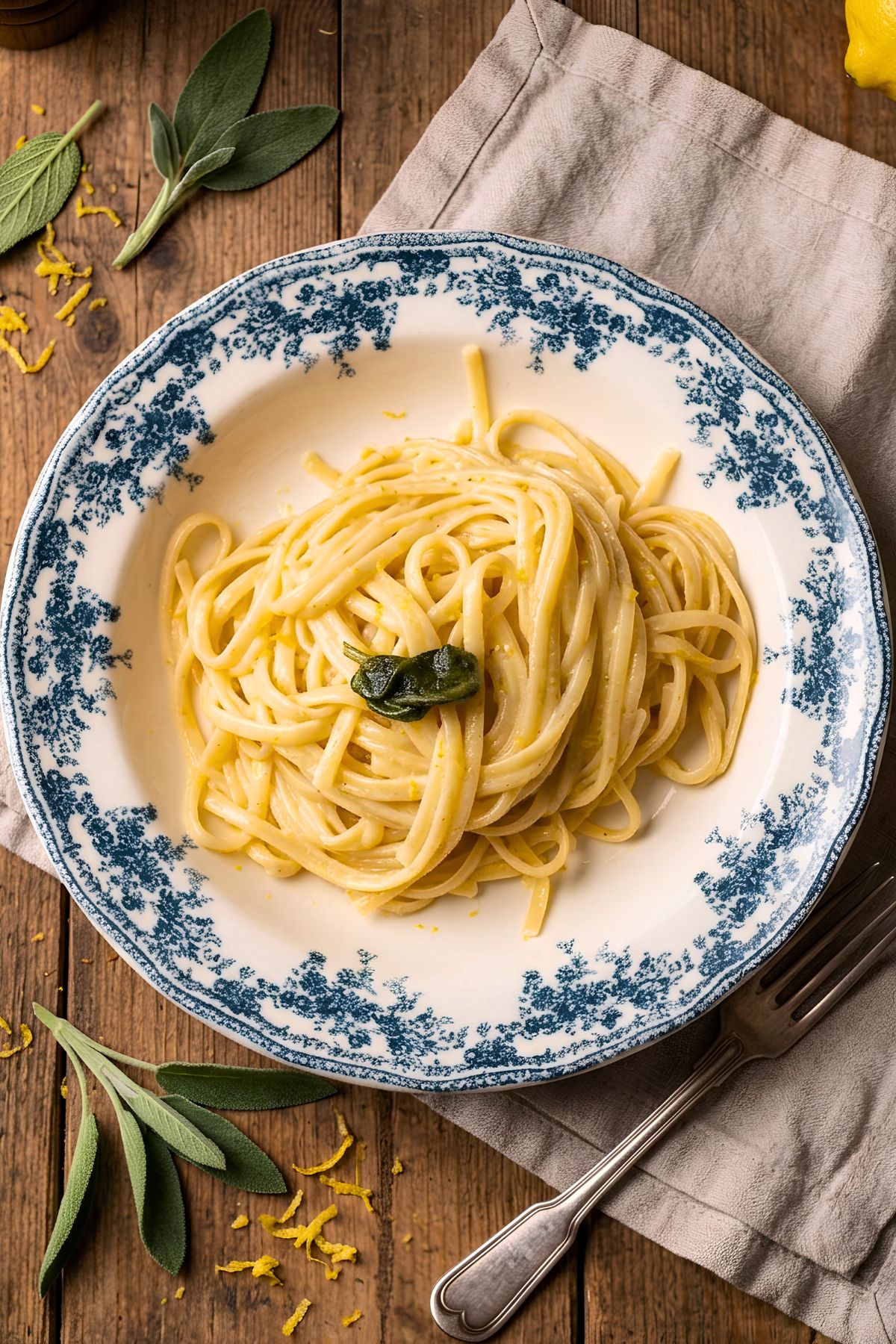
It comes together in under 20 minutes, uses ingredients you likely already have, and the sauce is silky and creamy without a single drop of cream. The secret? Finishing the pasta directly in the pan with a splash of starchy cooking water. That's it. The starch does all the work.
Table Of Contents
Pasta al Limone: What's So Special?
- No cream, still creamy. The silky sauce comes from emulsified butter and starchy pasta water - that's it.
- Five ingredients. Pasta, butter, lemon, sage, parmesan. Everything you need is probably already in your kitchen.
- Ready in 15 minutes. The sauce comes together in the time it takes the pasta to cook.
- Bright and light. Lemon keeps it fresh rather than heavy, which makes it perfect for spring and summer, or any time you crave carbs that taste fresh yet creamy.
- Easily adaptable. Add anchovy for depth, more lemon juice for punch, a grind of black pepper, or a handful of basil. It takes well to whatever you have.
Ingredients
See the recipe card for full information on ingredients and quantities
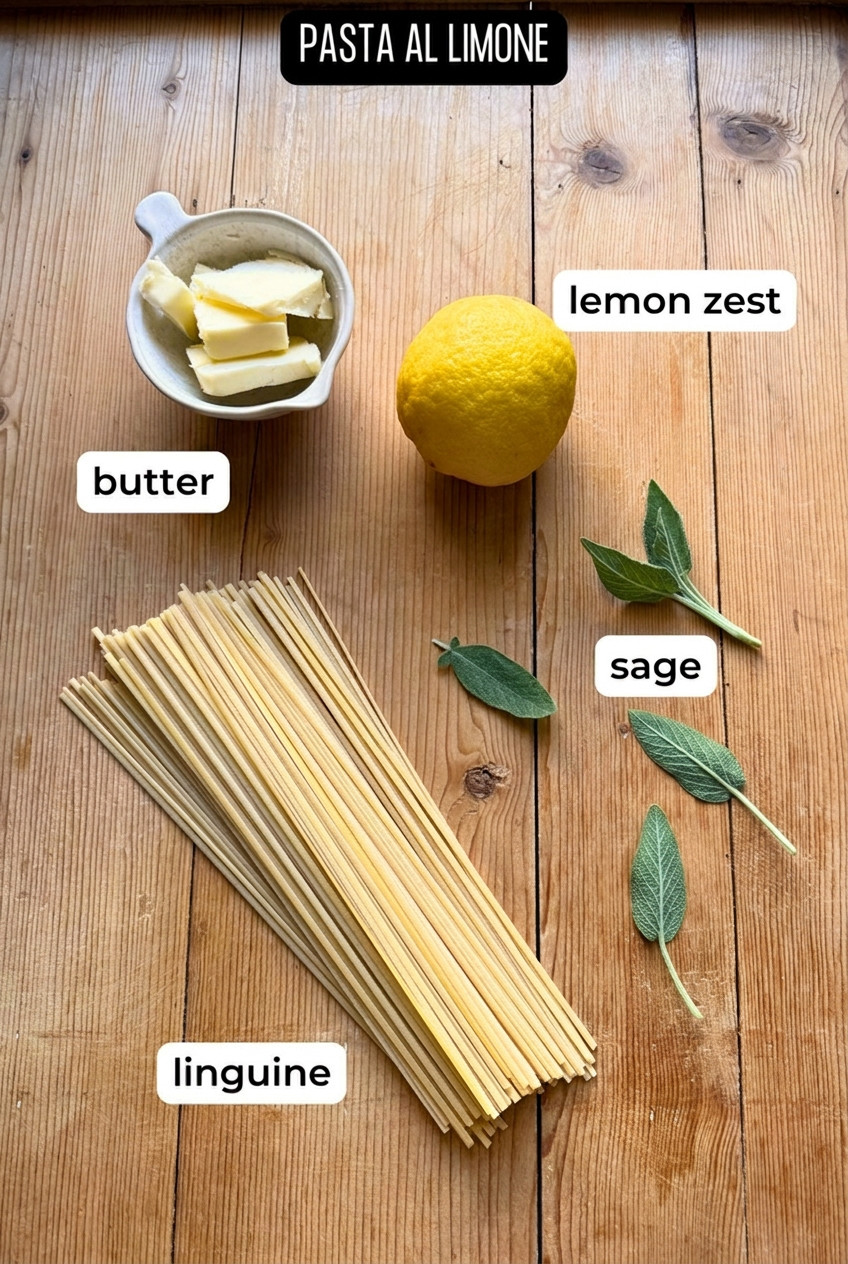
- Pasta – Durum wheat linguine or spaghetti are ideal. Long, thin strands hold this light sauce best. Linguine gives a slightly more elegant result with more surface for the lemon sauce to cling to. Spaghetti is the more rustic, classic choice that also works well.
- Butter – The base of the sauce. Use a good-quality butter, since with so few ingredients its flavor really shows. Unsalted lets you control the seasoning, but salted works fine too.
- Lemon zest – You'll want the zest of a whole lemon, and the juice is optional at the end. he zest gives a bright, fragrant lemon flavor without the sharpness of the juice. Use an unwaxed or organic lemon if you can, since the zest is doing most of the flavoring.T
- Sage – fresh or dried. The leaves infuse the butter with a gentle, earthy aroma.
- Salt and pepper – to taste.
- Grated Parmesan – for serving. Optional but highly recommended. It adds salt, savoriness, and a little more creaminess as it melts into the hot pasta.
Add-Ons & Variations
- Anchovy. Melt an anchovy fillet or two into the butter along with the sage — it dissolves completely and adds a savory, briny depth. If you go this route, skip the parmesan at the end, as the anchovy already brings plenty of salt.
- Extra lemon. For a brighter, more assertive lemon flavor, finish with a squeeze of fresh lemon juice off the heat.
- Capers – chop a few capers along with the lemon zest. They add a briny, punchy contrast that pairs beautifully with the butter sauce.
- Fresh basil. Swap the sage for a handful of torn basil, stirred in at the very end, for a more classic Amalfi profile.
Top Tips - Don't Miss!
- Salt your pasta water generously. It should taste pleasantly salty, like a light broth. This is the only chance you have to season the pasta itself, and it also makes the cooking water more effective for emulsifying the sauce.
- Pull the pasta out early. Cook it until well al-dente — 2 to 3 minutes less than the package instructions. It will finish cooking in the pan with the sauce, so if you drain it fully cooked it will end up overcooked and mushy by the time it reaches the plate.
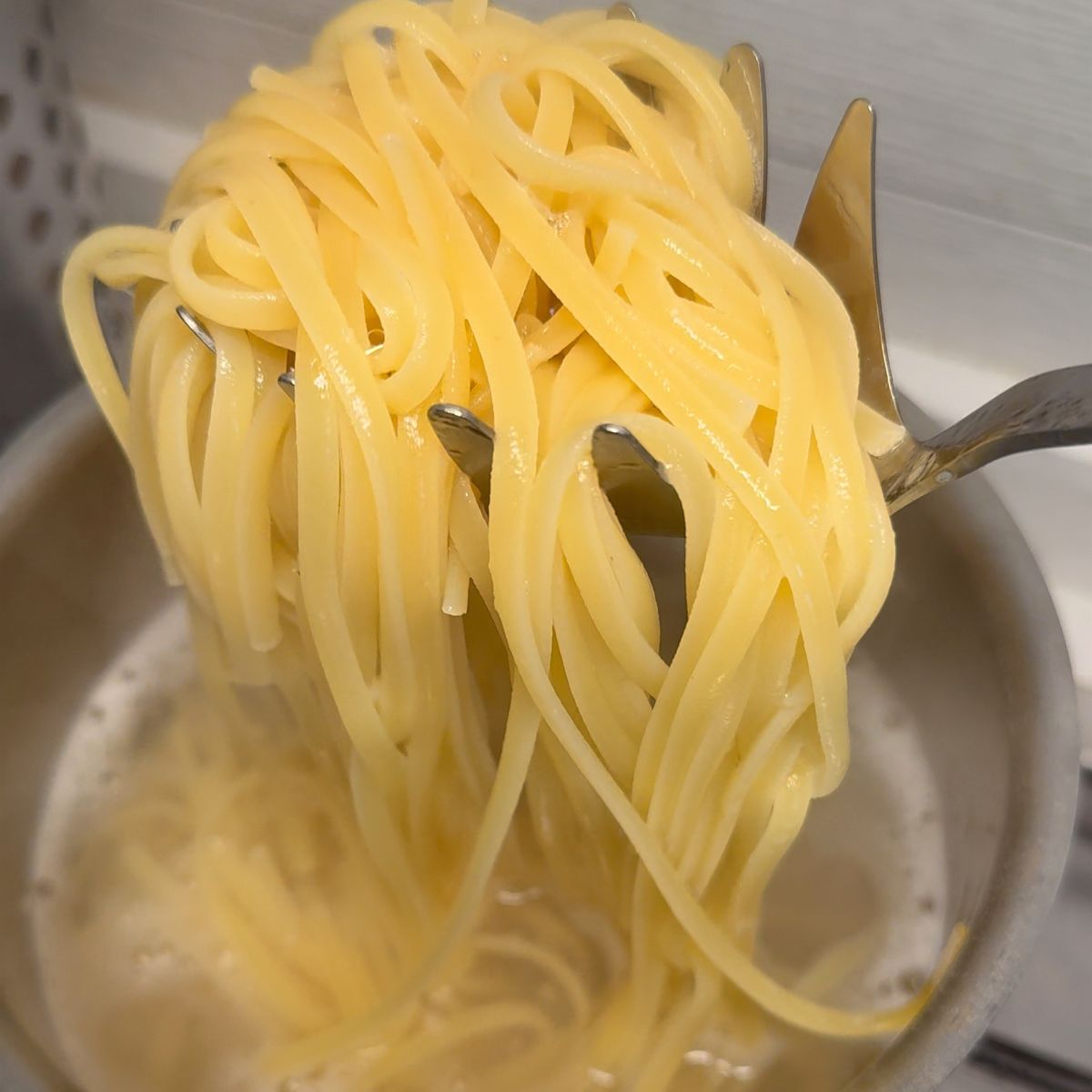
- Don't drain — lift. Lift your pasta with spaghetti spoon instead of draining so you can keep the pasta cooking water. Keeping the pot of pasta water lets you control the sauce. Too thick? A splash more. Too loose? Toss a little longer.
- Don't rush the butter. Let it melt slowly over medium heat and take its time turning golden. This is where all the flavor of the sauce comes from. Too high a heat and it goes from golden to burnt in seconds.
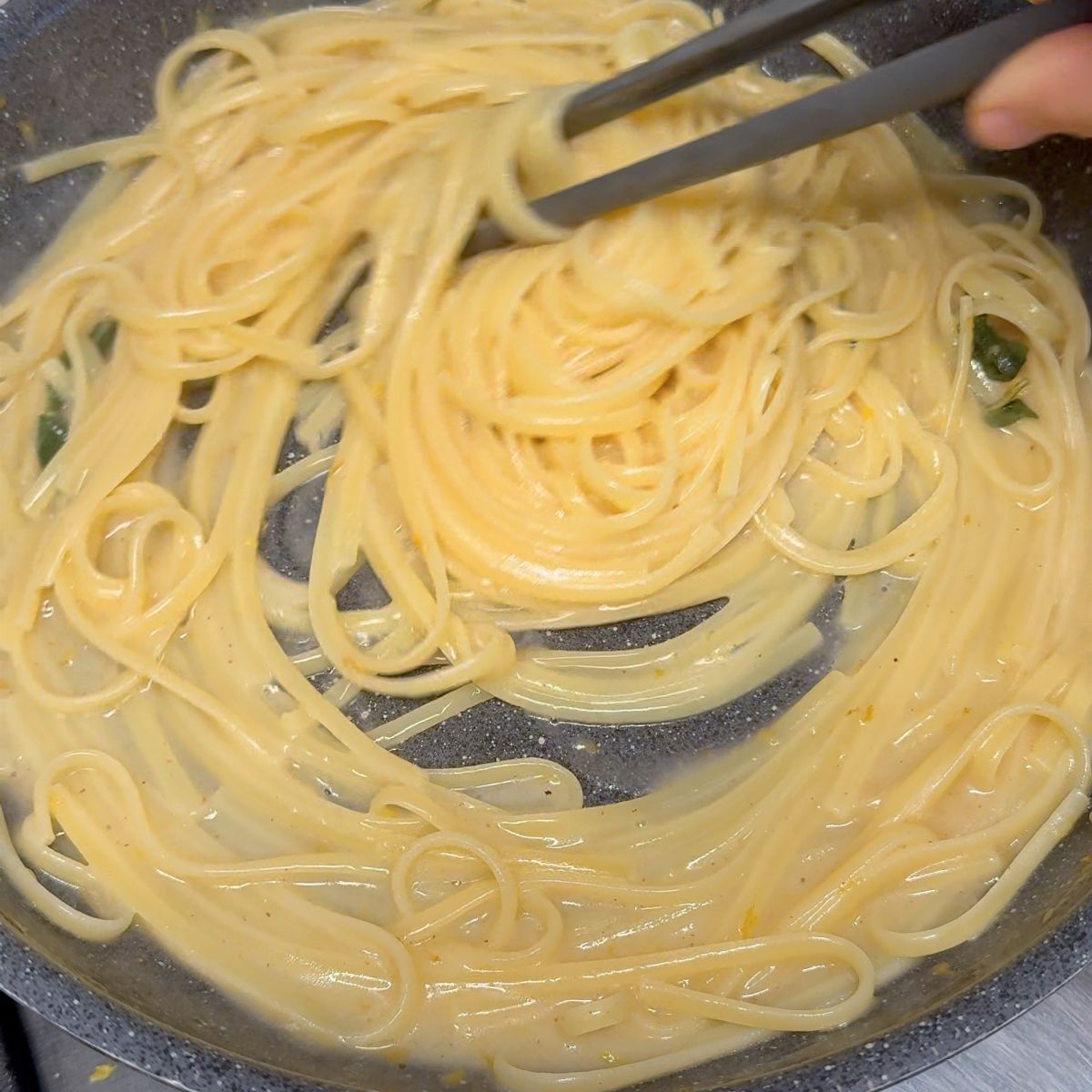
- Toss, toss, toss. The creaminess comes from movement. Constant tossing is what emulsifies the fat and starch into a proper sauce instead of a puddle of buttery water.
- Serve immediately. Pasta al Limone waits for no one. The sauce is at its best the moment it leaves the pan — creamy, silky and perfectly coating the pasta. As it sits it gets absorbed and the dish loses its magic.
How To Store
Pasta al Limone is best eaten immediately. Like most pasta dishes finished in a butter sauce, it does not store or reheat well — the pasta absorbs the liquid as it sits and the sauce dries up. For best results, make only as much as you plan to eat right away.
FAQ
Long, thin strands like linguine or spaghetti are classic. They hold the light sauce beautifully. Bucatini won't work so well since they require a more robust, often tomato based sauce. Short shapes like fussilli will also work but the long pasta shape give you the restaurant quality meal.
Short answer is No. The creaminess comes from emulsifying butter and starchy pasta water. Some like to add heavy cream for a richer sauce, but you don't need it — this recipe stays cream-free and gets its silkiness from the pasta water.
Almost always one of two things: not enough starchy pasta water, or not enough tossing. The sauce emulsifies through movement, so keep the pasta moving in the pan and add the water gradually until it turns glossy and coats the strands
Absolutely — the classic version has no sage at all. Leave it out for a purer lemon-and-butter flavor, or swap in basil or black pepper. The sage is my addition, not a requirement.
More Pasta Recipes To Try
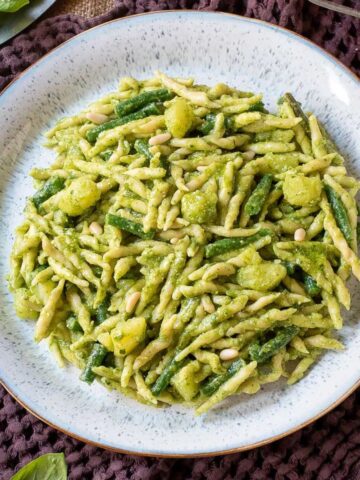
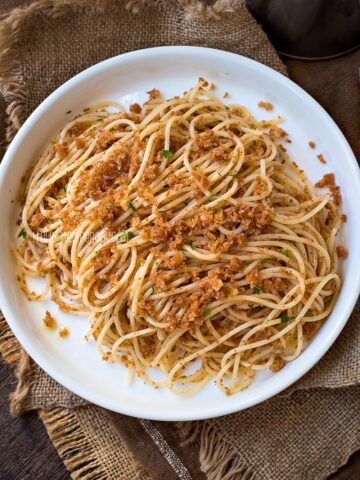
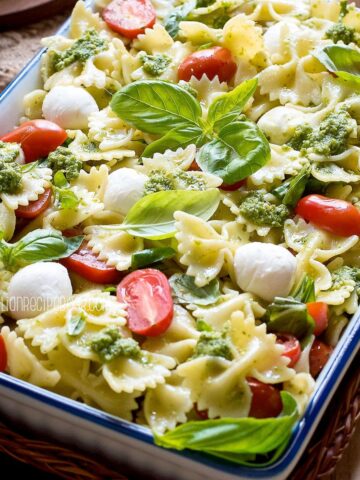
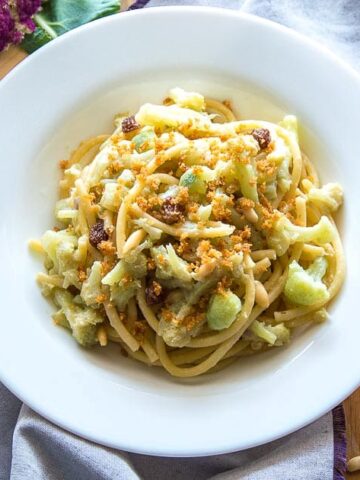
Looking for more easy and delicious Italian pasta recipes? Try these:
Pairing
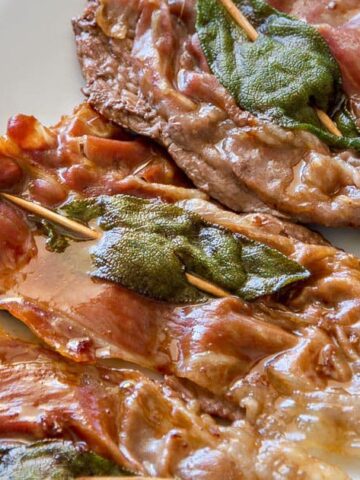
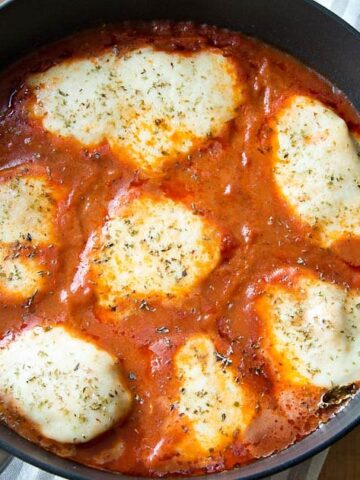
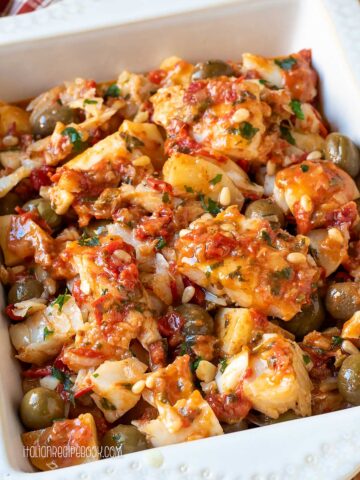
These are my favorite secondi to serve after pasta al limone.

Full Recipe
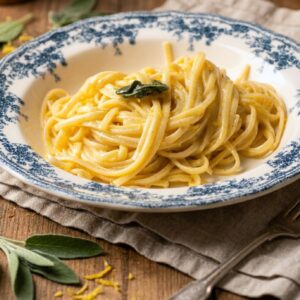
Pasta Al Limone (Easy & Super Creamy)
Video
Ingredients
- 200 g linguine or spaghetti (about 7 oz)
- 60 g butter (about 4 tbsp)
- Zest of 1 lemon (plus a squeeze of juice, optional)
- 4-5 fresh sage leaves fresh or dried, sub with basil if needed or skip entirely
- Salt and black pepper , to taste
- Grated Parmesan , for serving
Instructions
- Bring a large pot of well-salted water to a boil and cook the pasta until very al dente — about 2–3 minutes short of the package time. It will finish cooking in the sauce.
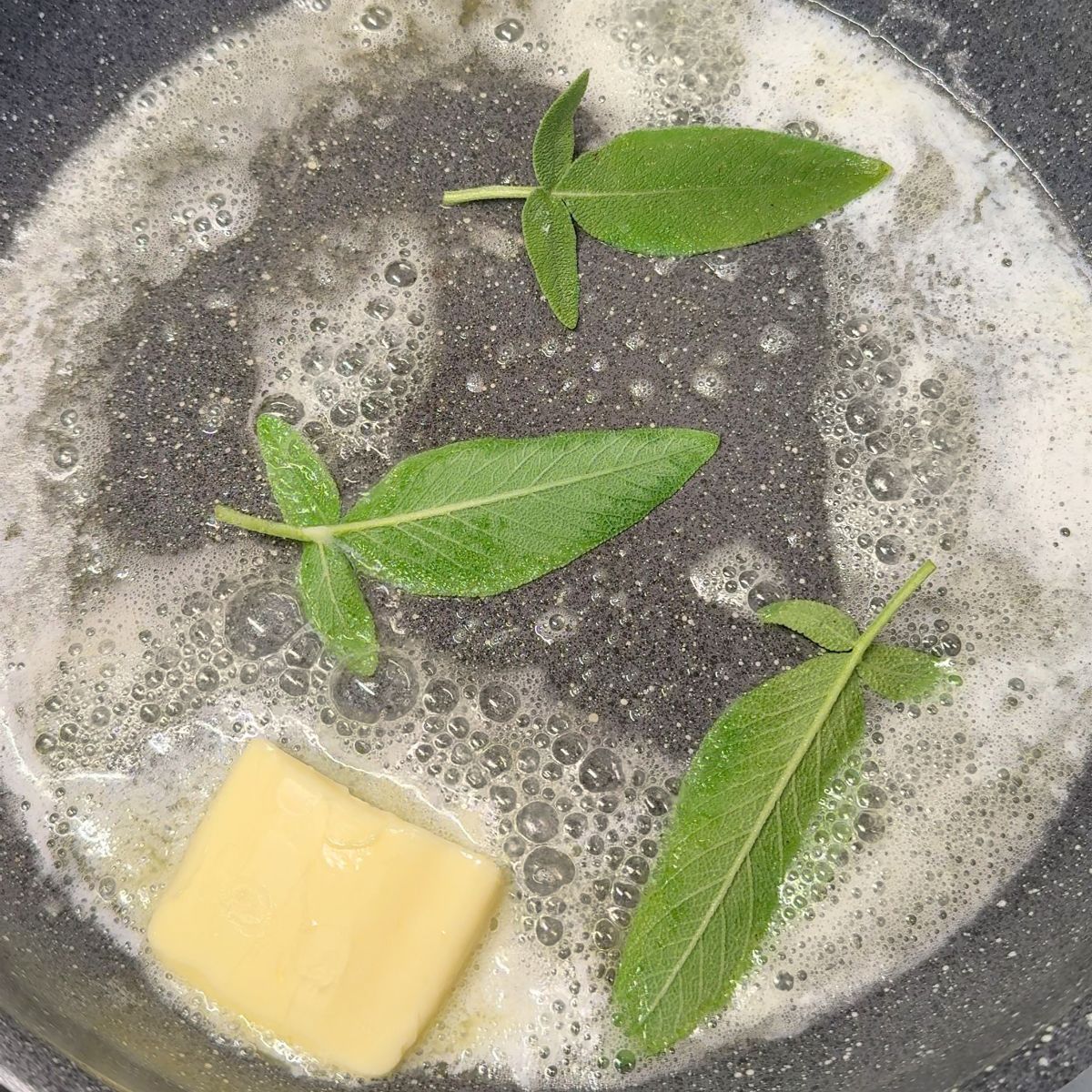
- Meanwhile, melt the butter in a large pan over medium heat along with sage leaves. Cook gently until the butter turns light golden watching closely so it doesn't burn.

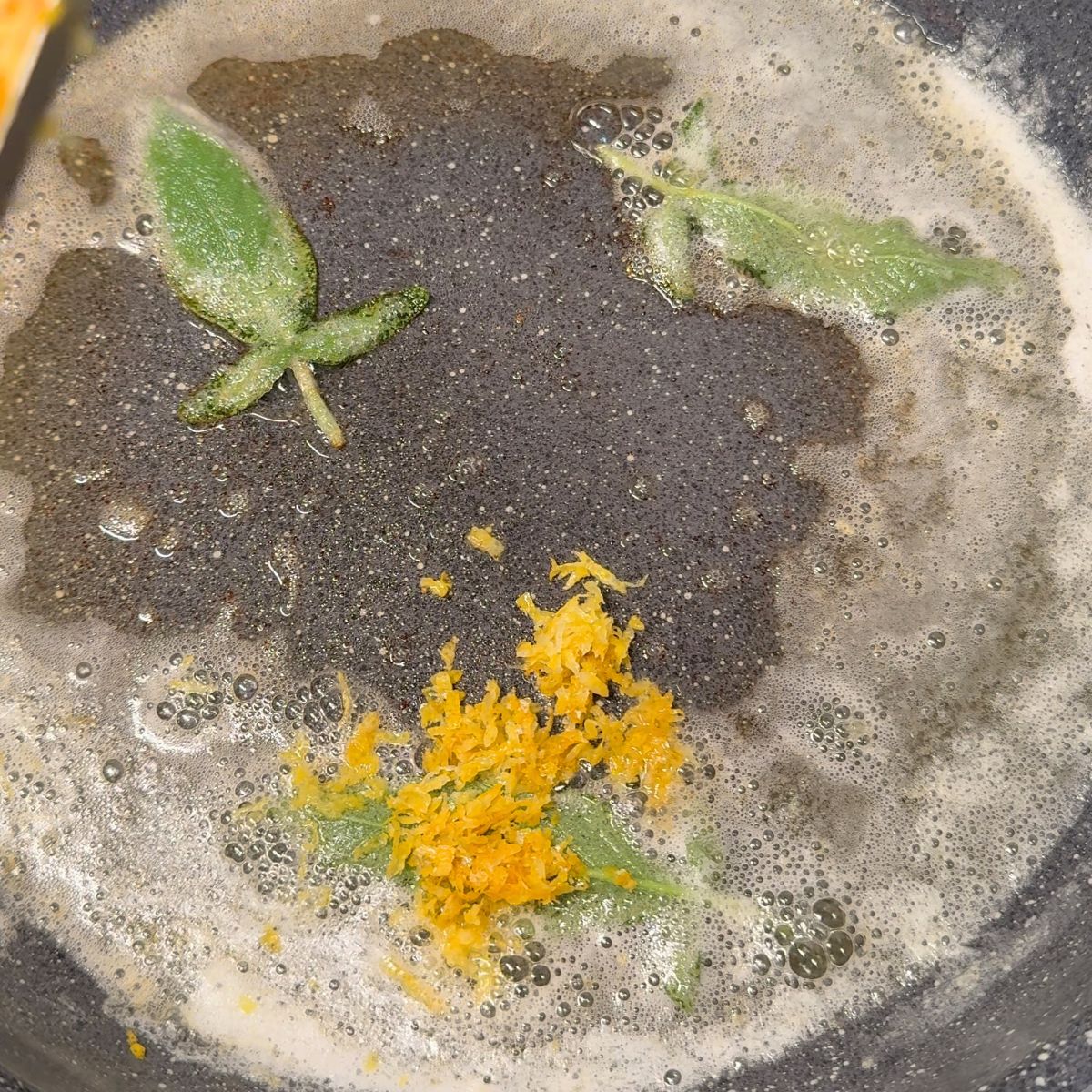
- Once butter is almost ready, add lemon zest.
- Lift the pasta straight into the pan (or drain, reserving the water).
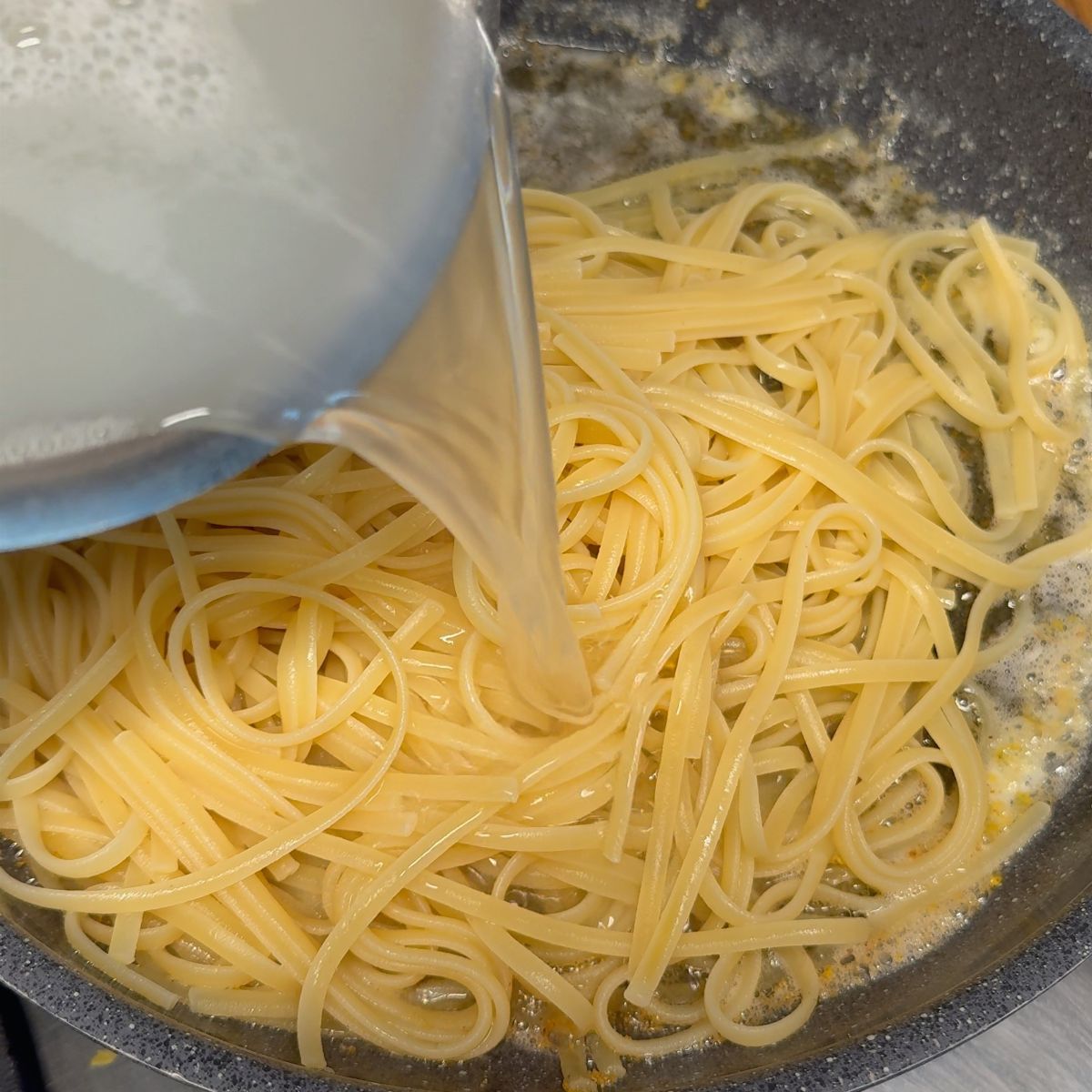
- Add generous splash of pasta cooking water.
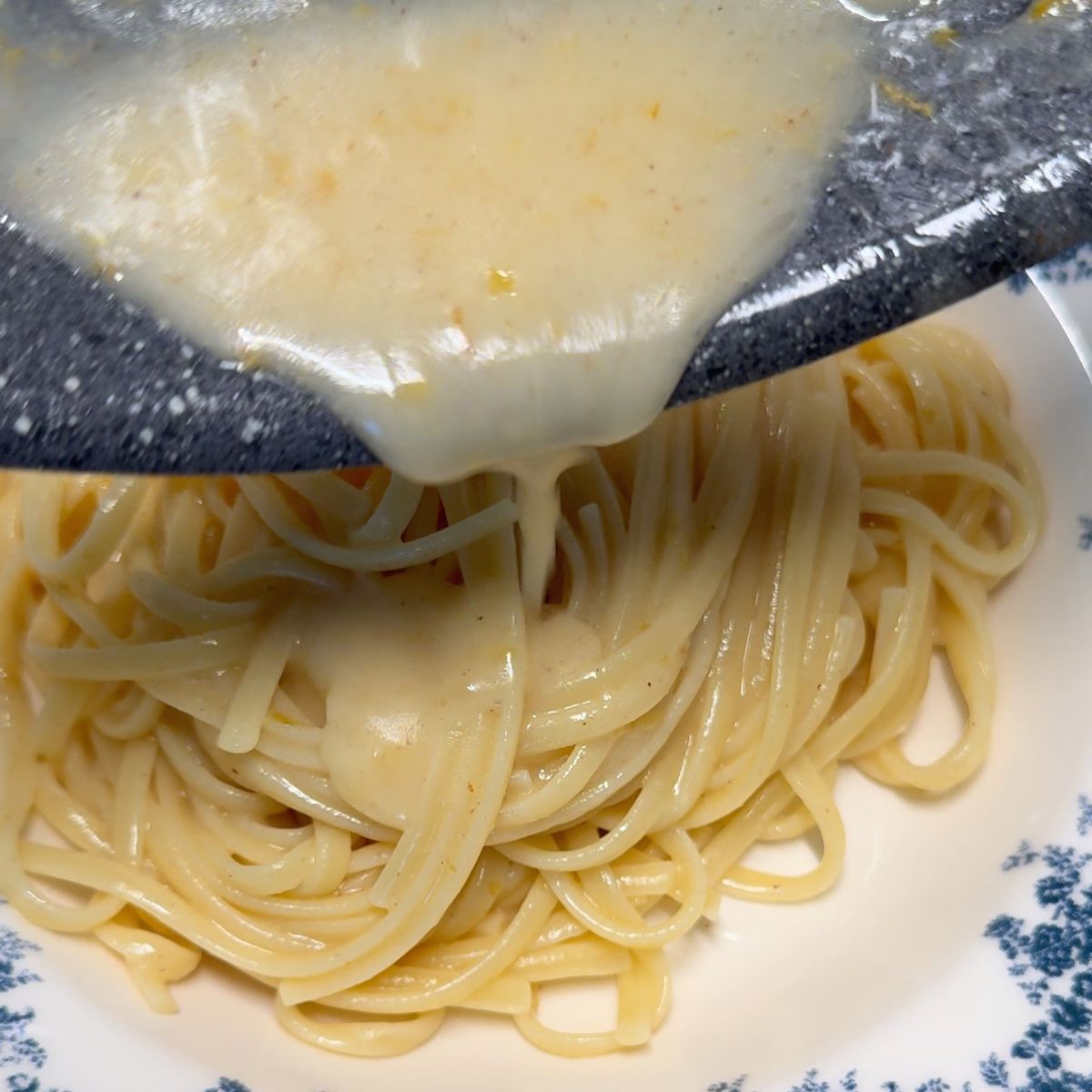
- Toss constantly for about 2 minutes, adding more pasta water a splash at a time, until the sauce turns creamy and glossy and coats every strand. Season with salt and pepper. Add a squeeze of lemon juice if you'd like a sharper flavor.
- Serve immediately, with all the extra sauce from the pan. Serve it plain or with a generous sprinkle of grated parmesan.
Notes
- Salt the pasta water well — it should taste like a light broth. It's your only chance to season the pasta, and it helps the sauce emulsify.
- Pull the pasta early — cook it 2–3 minutes short of the package time. It finishes cooking in the pan, so fully-cooked pasta ends up mushy.
- Don't drain — lift. Use a spaghetti spoon so you keep the pot of cooking water. Sauce too thick? A splash more. Too loose? Toss a little longer.
- Don't rush the butter. Melt it slowly over medium heat until golden — that's where the flavor is. Too high and it burns in seconds.
- Toss constantly. The creaminess comes from movement; tossing emulsifies the butter and starch into a proper sauce.
- Serve immediately. The sauce is silkiest straight from the pan and gets absorbed as it sits.
Nutrition
Nutrition information is automatically calculated, so should only be used as an approximation.
Cheryl Phillippi says
Wonderful creamy pasta recipe.
Svitlana says
Thank you Cheryl! ❤️